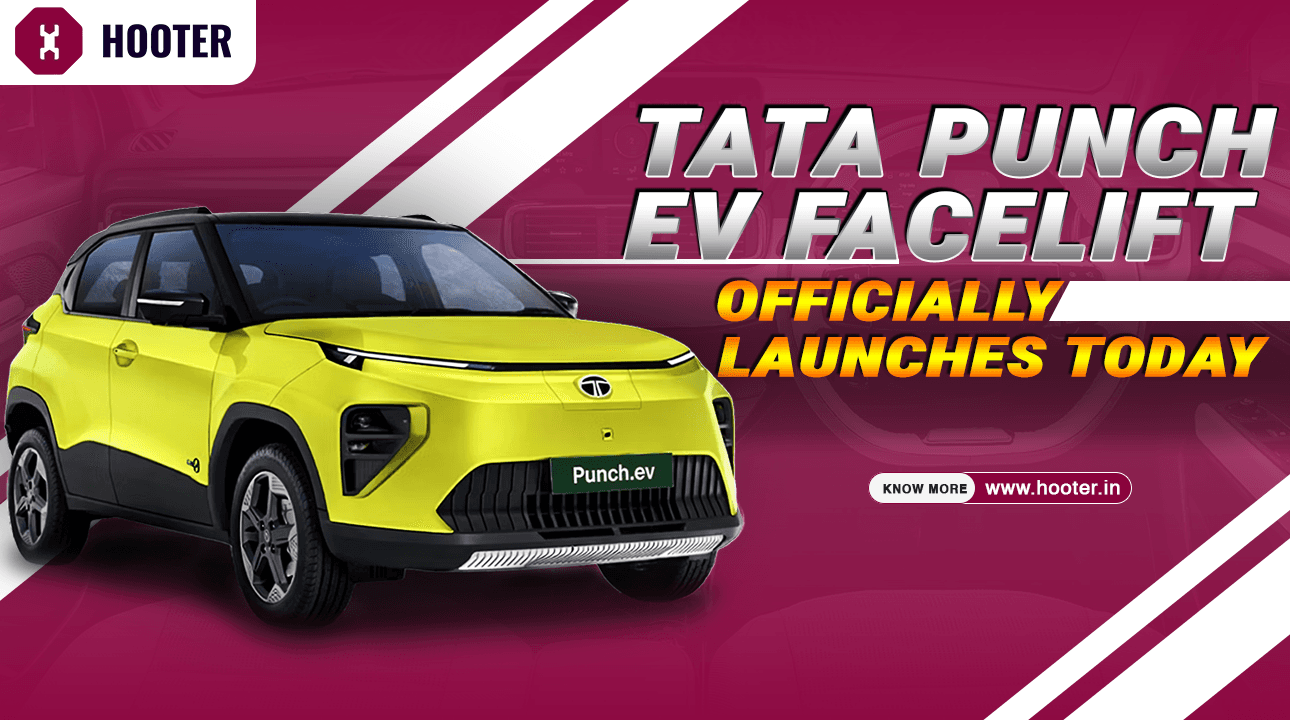
Tata Motors officially announces the pricing for the Punch EV facelift today, marking the first significant mid-life update for the electric B-SUV. This refreshed model aligns its design and technology with its recently updated internal combustion engine (ICE) sibling.
Exterior Enhancements
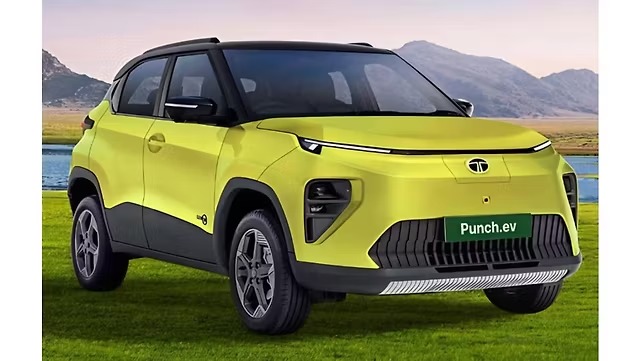
The new Punch EV facelift introduces a redesigned front fascia featuring a revised air dam. Notably, it steps away from the LED light bar seen on the previous version for a cleaner look. While the silhouette remains familiar, the side profile is updated with aero-inspired wheels influenced by the Nexon EV. The rear now sports LED tail lights and a revamped bumper, complete with a rugged, silver-finished skid plate and a connected light bar.
Performance and Interior Updates
While the full interior layout is being detailed during today’s announcement, the most significant changes occur under the hood. Tata now claims a range exceeding 500km on a single charge. This leap in efficiency comes from a larger battery pack and optimised power output, effectively addressing range anxiety for long-distance commuters.
Full technical specifications and variant-wise pricing are being released throughout the day as Tata Motors cements its position in the Indian EV market.
A Smart Choice: Balancing Performance with Savings
For buyers stuck between spirited performance and a tight budget, the 2026 Punch EV facelift presents a compelling "best of both worlds" proposition.
- Exceptional Running Economy: With electricity costs significantly lower than petrol, owners can save approximately ₹7 per km. For a daily commuter travelling 50 km, this translates to monthly savings of nearly ₹8,000–₹10,000 compared to a petrol-automatic variant.
- Performance Without the Premium: Unlike traditional engines that need to "rev up," the electric motor provides instant torque. You get 0–100 km/h acceleration in under 9 seconds in the Long Range variant—performance typically reserved for much more expensive sports sedans, but at a fraction of the operating cost.
- Low Maintenance: With fewer moving parts and no engine oil, filters, or spark plugs to replace, the long-term service costs are drastically lower than ICE vehicles.
- Budget Flexibility: To make it even more accessible, Tata is offering a Battery-as-a-Service (BaaS) option. This allows you to buy the car at a much lower entry price (starting around ₹6.49 lakh) and pay for the battery usage like a monthly subscription, making high-end EV performance affordable for the average household.